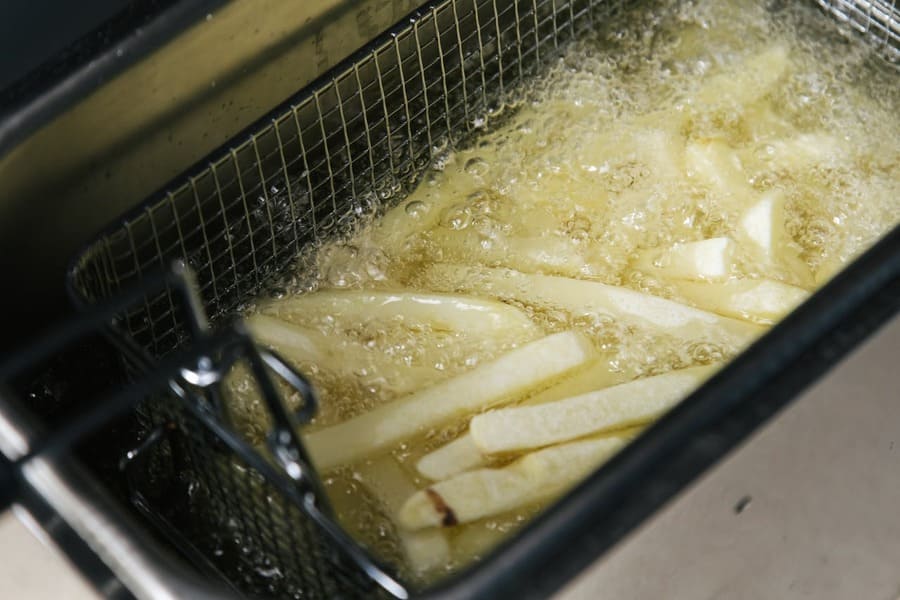
Of all the delicious aromas that greet you when you walk into a restaurant—from sizzling bacon to garlic bread—the smell of hot cooking oil is one of the most familiar. Commercial kitchens rely on deep fryers to produce perfectly crisp French fries, golden-brown chicken, and countless other customer favorites. But have you ever stopped to wonder, “What do restaurants do with used oil?” It’s a question with a surprisingly complex and important answer.
Disposing of gallons upon gallons of used cooking oil isn’t as simple as pouring it down the drain. In fact, doing so is illegal and can cause catastrophic plumbing blockages and environmental damage.
The sheer volume of oil used in the food service industry necessitates a robust system for its collection, disposal, and recycling. For restaurant owners, managing this process efficiently is a critical part of their operational and environmental responsibility.
How Long Do Restaurants Keep Frying Oil?
Before we explore its disposal, it helps to understand the lifespan of cooking oil in a commercial kitchen. There isn’t a single, universal rule for this. Instead, the frequency of oil changes depends heavily on several factors.
- Volume of food: A high-volume kitchen that uses its fryer constantly, especially during peak hours, will need to change its oil more frequently than a smaller establishment. Busy restaurants might change their oil every two to three days.
- Type of food: The kind of food being fried plays a significant role. Battered and breaded items, such as onion rings or fried chicken, release more particles into the oil, causing it to break down and degrade more quickly. A fryer dedicated to only French fries, on the other hand, will have oil that lasts longer.
- Filtration practices: Diligent filtration is key to extending the life of frying oil. Most restaurants filter their oil at least once a day, often after a busy shift, to remove food debris and carbonized particles that can spoil the oil’s quality and taste.
- Oil quality: Professional-grade, high-stability oils are specifically designed to withstand the rigors of commercial frying more effectively than lower-quality alternatives.
Taking these factors into account, most restaurants change their fryer oil every three to seven days. Kitchen staff are trained to spot the warning signs of degraded oil, including excessive smoking, a dark or cloudy appearance, and a burnt or bitter odor. Using oil past its prime not only produces poor-quality food but can also be a safety hazard. This raises an important question: What do restaurants do with their cooking oil once it has reached the end of its useful life?
The Collection and Recycling Process
The answer to the question, “What do restaurants do with used oil?” is, overwhelmingly, they recycle it. Pouring fats, oils, and grease (FOG) down the drain can lead to massive “fatbergs” in municipal sewer systems, which are costly to remove and can cause sewage backups. To prevent this, restaurants are legally required to use grease traps that capture FOG before it enters the wastewater system. However, the bulk of the oil from fryers is handled through a much more direct and sustainable process.
This is where a cooking oil recycling company comes into the picture. These specialized service providers partner with restaurants to establish a seamless and regulated collection system.
- Dedicated containers: The recycling company provides a secure, leak-proof container, often stored outside near the restaurant’s waste disposal area. These containers come in various sizes to match the restaurant’s oil output.
- Scheduled pickups: The service operates on a regular schedule, picking up the full container and often replacing it with a clean, empty one. This ensures the restaurant always has a safe place to store its used oil without interrupting operations.
- Transportation: The collected oil, now referred to as “yellow grease,” is transported to a processing facility for processing.
At the facility, the used cooking oil begins its transformation. The first step is to heat and filter the oil extensively to remove any remaining water, food solids, and other impurities. Once it is clean, the oil is ready to be repurposed into a variety of valuable new products.
From the Fryer to the Fuel Tank: The Many Afterlives of Cooking Oil
The journey of used cooking oil doesn’t end at the collection bin. Thanks to modern recycling technology, this former waste product is now a valuable commodity. A reputable cooking oil recycling company ensures the oil is processed for a second life, most notably in the production of renewable fuels.
- Biodiesel: The most common application for recycled cooking oil is the production of biodiesel. Through a chemical process called transesterification, the oil is converted into a clean-burning, renewable fuel that can power diesel engines. This significantly reduces greenhouse gas emissions compared to traditional petroleum diesel.
- Renewable Diesel and Sustainable Aviation Fuel: Recycled oil is also used to produce other renewable fuels that help decarbonize transportation, including aviation.
- Animal Feed: The fats and nutrients in used cooking oil can be processed into a high-energy ingredient for various types of animal and pet food.
- Other Products: Recycled oil is surprisingly versatile. It can also be used to manufacture soaps, lotions, detergents, plastics, lubricants, and even materials for 3D printing.
This circular economy model is a win-win: restaurants dispose of their waste responsibly, and a valuable resource is created, reducing our reliance on fossil fuels and virgin materials. Many well-known companies participate in this economy.
Maybe you wonder, “What does McDonald’s do with used oil?” The answer is that the fast-food giant is a prominent example of this system in action. For years, McDonald’s has been recycling the used cooking oil from its restaurants and, in partnership with its suppliers and a cooking oil recycling company, converts it into biodiesel to fuel a significant portion of its delivery fleet.
The answer to the question, “What do restaurants do with their cooking oil?” reveals a highly organized and environmentally beneficial industry. Responsible management of used oil is about compliance but also sustainability. By partnering with a professional cooking oil recycling company, restaurants can ensure their waste product is handled safely and repurposed for a greener future. From knowing how long restaurants keep frying oil to understanding its journey into becoming biofuel, the lifecycle of cooking oil is a testament to innovative recycling solutions.
What Do You Do With Your Cooking Oil?
If your business is looking for a reliable partner for used restaurant oil collection and recycling, Green Mountain Products can assist you. To learn more about our clean, dependable used cooking oil removal services, give us a call at 740-217-8300 or contact us using our online form today.