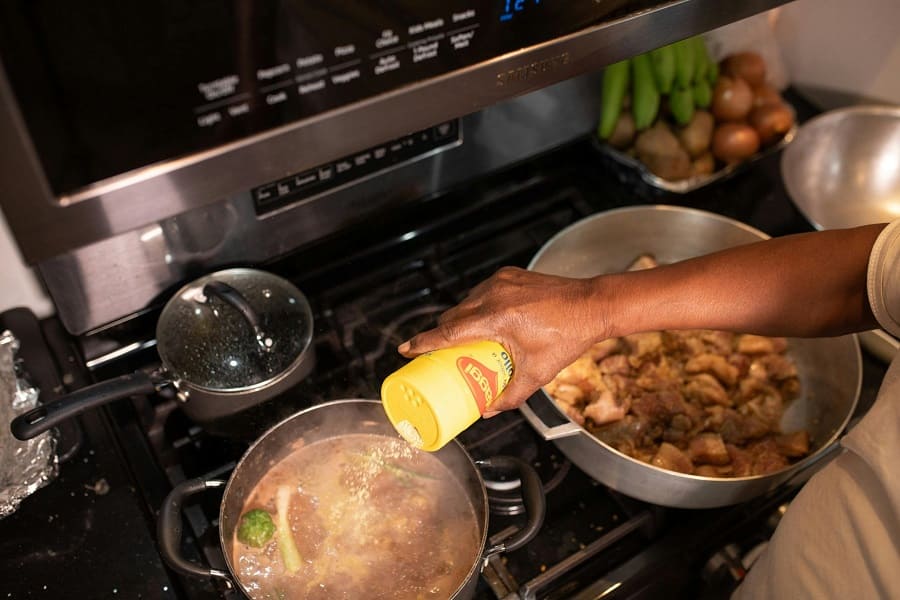
If you run a restaurant or industrial kitchen, you are likely familiar with how much fat, oil, and grease (FOG) your business produces in an average week. Even at home, everyday cooking creates leftover grease that needs to be handled properly.
Knowing how to dispose of grease helps protect your plumbing and the surrounding sewer system. Pouring grease down the drain can contribute to blockages, sewage backups, and costly repairs.
Below, we explain how to dispose of cooking grease at home, how businesses should manage larger quantities, and how Green Mountain Products can help with collection and recycling in Columbus, Ohio.
How Do You Dispose of Fat and Grease?
The appropriate disposal method depends on how much grease you have and which collection services are available.
For small household quantities, collect cooled grease in a sealed container and follow your local disposal guidance. The City of Columbus recommends placing household fats, oils, and grease in a sealed container in the trash rather than pouring them into drains.
Recycling is another option where an approved collection program accepts your material. Check with the provider first, since programs may have different requirements for liquid cooking oil, bacon grease, lard, and other fats.
For restaurants and other businesses that produce larger quantities, working with a professional collection company helps establish a dependable system for storage and removal.
How to Dispose of Cooking Grease
Whether you have bacon grease from breakfast or oil left over after frying, proper handling starts before you wash your cookware. Follow these steps to keep cooking grease out of your drains.
1. Allow the Grease to Cool
Let cooking grease cool before handling it or transferring it into a storage container. Avoid pouring hot grease into plastic containers or other materials that may melt or become damaged.
For commercial fryer oil, follow your equipment manufacturer’s and collection provider’s instructions for safe transfer.
2. Collect It in a Suitable Container
Place cooled household grease in a sturdy, leak-proof container with a tight-fitting lid. Keep the container closed to prevent spills.
Businesses should use a dedicated collection container suitable for the amount of used cooking oil they produce. Your collection provider can help determine the appropriate container size.
3. Choose Recycling or Approved Household Disposal
If a local recycling program accepts your cooking grease, follow its preparation and drop-off instructions. Confirm whether it accepts solid fats as well as liquid oil before mixing them together.
For small household quantities that you are discarding, seal the container and place it in the trash according to local guidance. Do not pour loose grease directly into the trash can. Municipal grease disposal guidance
4. Wipe Cookware Before Washing
After removing the grease, wipe the remaining residue from pots, pans, plates, and utensils with a paper towel. Place the towel and scraped food waste in the trash before washing your cookware.
This simple step reduces the amount of grease entering your plumbing.
5. Arrange Regular Collection for Larger Quantities
Commercial kitchens need a collection schedule that matches their oil output. Regular pickups help prevent overflowing containers and make grease management part of your kitchen’s routine.
Here at Green Mountain Products, we work with customers to determine the appropriate container size and service frequency for used cooking oil collection.
Why Should You Keep Grease Out of the Drain?
Grease can accumulate inside pipes and restrict wastewater flow. Having a garbage disposal does not make it safe to pour grease into your sink.
According to the City of Columbus, FOG blockages can cause sewer overflows into waterways and backups into nearby homes and businesses.
Improper grease disposal can contribute to:
- Clogged pipes and drains
- Sewer blockages
- Sewage backups
- Environmental damage from overflows
- Plumbing repairs and cleanup costs
Collecting grease separately helps prevent these problems.
How Should Restaurants Dispose of Grease?
For commercial kitchens, proper grease disposal involves both collecting used cooking oil and managing grease in wastewater.
Store bulk fryer oil in a dedicated collection container for removal. A grease trap or interceptor serves a different purpose: it captures fats, oils, and grease from wastewater. It should not be used as a disposal route for bulk cooking oil.
Businesses should also schedule regular grease trap cleaning in Columbus, Ohio.
The City of Columbus requires food service operations in its wastewater service area to develop and implement a FOG Best Management Plan. A key requirement is maintaining a grease interceptor cleaning log.
Clear employee instructions, suitable containers, scheduled pickups, and interceptor maintenance all help businesses manage grease responsibly.
What Is the Best Way to Get Rid of Food Grease?
For businesses that generate grease regularly, working with a trusted collection company provides a practical way to manage it.
Green Mountain Products offers used cooking oil collection and recycling services in Columbus, along with grease trap cleaning. Our team can help you determine which services fit your kitchen’s needs.
Suitable collected cooking oil can become a raw material for renewable fuel. The U.S. Department of Energy identifies used cooking oil as a feedstock for biodiesel production, giving this kitchen byproduct another useful purpose.
Need Help Disposing of Grease in Columbus, Ohio?
If you need help understanding how to dispose of grease from your business, Green Mountain Products is here to assist you. We proudly serve customers throughout Ohio, West Virginia, Kentucky, and Indiana with used cooking oil collection, grease trap cleaning, and industrial bulk tanker services.
As a fourth-generation family business in animal and vegetable oil recycling, we work with customers ranging from locally owned restaurants to national grocery chains and corporate waste programs.
Call 740-217-8300 or contact us online to discuss your grease disposal and collection needs.