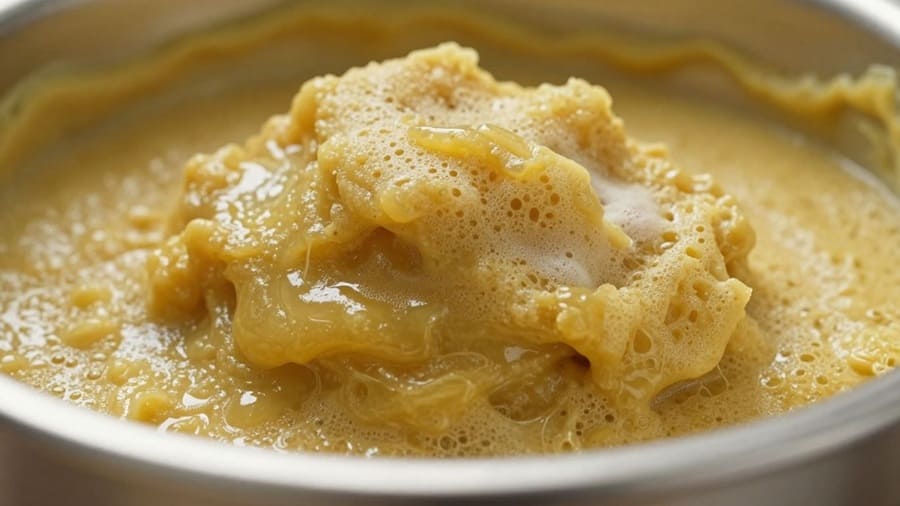
Running a restaurant means dealing with a lot of grease. It comes from frying, sautéing, and all sorts of cooking. But what happens to all that used cooking oil and grease? It’s not just tossed away. Restaurants have to manage it carefully. Improper disposal can cause big problems, like clogged sewer lines and environmental damage. So, what do restaurants do with grease? It’s a big question with some interesting answers, from recycling it into fuel to using professional services to handle it. Let’s dive in and see how kitchens manage this greasy situation.
Key Takeaways
- Restaurants collect fats, oils, and grease (F.O.G.) using devices like grease traps to prevent them from entering the sewer system.
- Proper disposal methods include collecting grease in designated bins and using drain screens to catch food particles.
- Used cooking oil can be recycled into biodiesel fuel or animal feed, turning waste into a resource.
- Professional grease management services offer scheduled pickups and ensure compliance with environmental regulations.
- Ignoring grease disposal can lead to costly plumbing repairs, environmental pollution, fines, and damage to a restaurant’s reputation.
Understanding Restaurant Grease Management
So, what do restaurants do with their old grease? It’s a question that pops up more often than you might think, especially when you consider the sheer volume of frying, sautéing, and grilling that happens daily in kitchens across the country. Managing this used cooking oil and grease isn’t just about keeping things tidy; it’s a pretty big deal for plumbing, the environment, and even a restaurant’s bottom line. If not handled right, this stuff can cause major headaches, like clogged pipes and sewer backups that are expensive to fix and can even lead to fines.
What Is F.O.G.?
First off, let’s talk about what we’re dealing with. The industry term is F.O.G., which stands for Fats, Oils, and Grease. This is the stuff that comes off food during cooking and cleaning. Think about the drippings from bacon, the leftover oil from french fries, or even the fatty bits from a roast. Over time, this F.O.G. can build up in kitchen pipes. It’s the primary culprit behind most restaurant plumbing problems.
Common Sources of Grease Buildup
Grease buildup isn’t usually from just one source. It’s a combination of everyday kitchen activities:
- Fryers: These are big producers of used cooking oil. After a busy service, that oil needs to go somewhere.
- Grills and Stoves: Drippings and residue from cooking on these surfaces contribute significantly.
- Dishwashing: Water used to clean greasy pots, pans, and utensils carries F.O.G. into the drainage system.
- Floor Drains: Especially in busy kitchens, floor drains can catch a lot of grease and food particles.
The Role of Grease Traps
To combat F.O.G. buildup, most restaurants have something called a grease trap, also known as a grease interceptor. These are plumbing devices installed in the wastewater line. They work by slowing down the flow of wastewater, allowing the hotter, lighter F.O.G. to separate and float to the top, while heavier food solids sink to the bottom. The cleaner water then flows out into the sewer system. It’s a pretty clever system, but it needs regular maintenance. If a grease trap isn’t cleaned out often enough, it can become overwhelmed, defeating its purpose and still leading to blockages. Many restaurants rely on professional services for this regular maintenance.
Keeping grease out of the sewer system is a shared responsibility. It prevents costly damage to public infrastructure and protects our waterways from pollution. Proper management starts in the kitchen with simple, consistent practices.
Proper Grease Disposal Methods
So, you’ve got all this used cooking oil and grease from your kitchen. What’s the right way to get rid of it? It’s not as simple as just pouring it down the drain, believe me. Doing that can cause some serious plumbing nightmares and environmental headaches down the line. The key is to manage it responsibly from the moment it leaves the fryer or pan.
Collecting Grease in Designated Bins
First things first, you need a place to put that grease. Many restaurants use specialized bins or containers specifically for used cooking oil. These are usually sturdy, sealable containers that prevent leaks. It’s a good idea to have a system in place where kitchen staff scrape food scraps off plates before they go into the dishwasher, and any excess grease is collected in these designated bins. This simple step makes a big difference.
- Scrape food scraps from dishes before washing.
- Collect used cooking oil in sealable, designated containers.
- Store containers in a safe, accessible location away from drains.
Using Grease Dumpsters Effectively
For larger amounts of grease, restaurants often rely on grease dumpsters. These are typically located outside the building. It’s important that these dumpsters are well-maintained and don’t crack or leak, as spilled grease can still find its way into storm drains. Regular pickups are vital to prevent overflow and potential theft of the used oil, which can be quite valuable.
Keeping your grease dumpster in good condition and scheduling regular pickups are non-negotiable steps for responsible grease management. It prevents environmental damage and potential financial losses.
The Importance of Drain Screens
Don’t forget about your sinks! Installing drain screens is a simple yet effective way to catch any stray grease particles or food bits that might otherwise go down the pipes. Think of them as a first line of defense. They help prevent clogs and reduce the amount of grease that even makes it to your grease trap or the municipal sewer system. Regularly cleaning these screens is also part of the job.
- Install screens on all kitchen drains.
- Clean screens daily to remove collected debris.
- Dispose of collected debris in the trash or designated grease bin.
Properly managing your grease isn’t just about avoiding trouble; it’s about being a good neighbor and protecting the environment. Plus, there are companies that actually pay for used cooking oil, turning a waste product into a resource like biodiesel. It’s a win-win situation if you handle it right. You can find more information on recycling cooking oil at restaurant recycling process.
Recycling and Repurposing Used Cooking Oil
So, what happens to all that used cooking oil after it’s done its job in the fryer? It’s not just trash, believe it or not. Restaurants have a few smart options for dealing with this greasy byproduct, turning what could be a problem into something useful.
Transforming Grease into Biodiesel
This is a pretty big deal. That old cooking oil, after a good cleaning and processing, can be turned into biodiesel. Think of it as a cleaner fuel alternative. It’s a way to reduce our reliance on fossil fuels and give used cooking oil a second life. The process involves heating, filtering, and purifying the oil to get it ready for this transformation. It’s a win-win: less waste going to landfills and a more sustainable fuel source.
Creating Animal Feed from Waste Oil
Another avenue for used cooking oil is turning it into animal feed. After it’s been properly treated and rendered safe, it can be a component in feed for livestock. This method also diverts waste from landfills and adds nutritional value to animal diets. It’s a practical application that benefits another industry.
Donating Used Cooking Oil
Some restaurants partner with specialized companies that collect their used cooking oil. These companies then handle the recycling and repurposing. It’s a convenient way for restaurants to manage their waste responsibly. You can often schedule regular pickups, so you don’t have to worry about storing large amounts of oil. These services help keep grease out of the sewers and ensure it’s handled properly. Many places offer discounted grease trap cleanings when you sign up for their used cooking oil collection services, which is a nice bonus. Finding a reliable partner for used cooking oil recycling is key to making this work smoothly.
Professional Grease Management Services
Let’s face it, dealing with used cooking oil and grease isn’t exactly the most glamorous part of running a restaurant. It piles up, it can get messy, and if you don’t handle it right, you’re looking at big problems. That’s where professional grease management services come in. These companies are the pros who take this chore off your plate, making sure everything is handled legally and responsibly.
Scheduled Pickups and Container Services
When you partner with a service, they usually set you up with a regular schedule for picking up your used grease. Think of it like your trash pickup, but for oil. They’ll often provide you with special containers, too. These aren’t just any old buckets; they’re designed to hold the grease safely and prevent leaks. You just fill them up, and on pickup day, they swap them out or empty them. It’s a pretty straightforward system that keeps your kitchen cleaner and safer. For example, a grease pickup service in Columbus, OH can be arranged to fit your restaurant’s specific needs, whether you’re a small diner or a busy catering kitchen.
Ensuring Regulatory Compliance
This is a big one. Local governments have rules about how restaurants dispose of grease. Messing up can lead to hefty fines and even shut down your business. Professional services know all these rules inside and out. They make sure the grease is collected, transported, and disposed of in a way that meets all the regulations. This means you don’t have to spend hours researching local ordinances or worrying if you’re doing things correctly. Companies like Green Mountain Products LLC are known for helping businesses stay on the right side of the law when it comes to grease disposal.
Benefits of Partnering with Specialists
Why bother with professionals? Well, besides avoiding fines and keeping your kitchen clean, there are other perks. They often recycle the used cooking oil, turning it into things like biodiesel. So, you’re not just getting rid of waste; you’re contributing to something useful. Plus, it frees up your staff to focus on what they do best – cooking and serving customers. It really simplifies a messy job.
Hiring a professional service means you can stop worrying about grease buildup and potential plumbing disasters. They handle the logistics, the disposal, and the compliance, letting you concentrate on running your restaurant smoothly.
Here’s a quick look at what these services typically handle:
- Grease Collection: They provide the bins and collect the used cooking oil and grease.
- Transportation: They have specialized trucks to move the collected grease safely.
- Proper Disposal/Recycling: They ensure the grease is either recycled or disposed of according to environmental standards.
- Record Keeping: Some services can provide documentation to prove you’re complying with disposal regulations.
Consequences of Improper Grease Disposal
So, what happens when restaurants don’t handle their grease properly? It’s not just a little mess; it can actually cause some pretty big problems. Pouring grease down the drain might seem like the easiest way to get rid of it, but it’s a recipe for disaster.
Environmental Pollution and Sewer Overflows
When fats, oils, and grease (FOG) go down the drain, they don’t just disappear. They travel through the pipes and eventually cool down, solidifying and sticking to the insides of sewer lines. Over time, this buildup narrows the pipes, making it harder for wastewater to flow. Eventually, this can lead to sewer backups, not just within the restaurant but also out into streets and, worse, into local waterways like rivers and lakes. This pollution harms aquatic life and can make the water unsafe.
- Sewer Overflows: These backups can force raw sewage, including the grease, back up into the restaurant or flood public areas. This creates a serious public health hazard due to bacteria and viruses.
- Waterway Contamination: Grease entering storm drains bypasses treatment plants and directly pollutes rivers, streams, and oceans.
- Odor Issues: Backups create foul odors that can drive customers away and make the work environment unpleasant.
Ignoring proper grease disposal isn’t just bad for the environment; it’s a direct threat to public health and the cleanliness of our communities. The consequences ripple outwards, affecting everyone.
Costly Plumbing Repairs and Fines
Dealing with the aftermath of improper grease disposal is expensive. Restaurants can face hefty fines from local authorities for violating environmental regulations. Beyond fines, the cost of repairing damaged sewer lines or dealing with frequent clogs can add up quickly. Sometimes, the damage is so severe that it can even lead to temporary or permanent business closure.
- Plumbing Repairs: Clogged pipes and sewer line damage require professional intervention, which is never cheap.
- Regulatory Fines: Municipalities often impose significant penalties for grease-related violations.
- Grease Theft: Unfortunately, improperly secured grease dumpsters can also be targets for theft, costing restaurants money they could otherwise earn from recycling programs. It’s estimated that millions of dollars worth of used cooking oil are stolen each year.
Impact on Restaurant Operations and Reputation
Beyond the financial and environmental costs, improper grease management can seriously damage a restaurant’s reputation. Frequent plumbing issues or, worse, a visible sewer overflow can deter customers. People don’t want to eat at a place that seems unsanitary or is known for causing local environmental problems. Maintaining clean kitchen practices, including proper grease handling, is key to keeping your restaurant running smoothly.
- Customer Perception: A dirty or problematic restaurant quickly gains a bad reputation.
- Operational Disruptions: Frequent clogs or backups can halt kitchen operations, leading to lost business.
- Staff Morale: Working in a grease-filled, poorly maintained environment can negatively impact employee morale and productivity.
Preventing Grease-Related Issues
Keeping grease out of the plumbing system is a big deal for any restaurant. It’s not just about avoiding clogs; it’s about preventing bigger problems down the line. A little bit of effort now can save a lot of headaches later.
Staff Training on Grease Handling
Your kitchen crew is on the front lines of grease management. Making sure they know the right way to handle used cooking oil and other greasy waste is super important. This means teaching them to scrape plates before washing, collect grease in designated containers, and never, ever pour it down the drain. Simple steps like using paper towels to wipe up spills can make a huge difference. Proper training means less grease makes its way into the pipes.
Regular Maintenance of Kitchen Equipment
Think about your fryers, ovens, and dishwashers. These are all places where grease can build up. Regular cleaning and maintenance aren’t just for hygiene; they help catch grease before it becomes a problem. For example, making sure your dishwasher filters are clean stops greasy food particles from going down the drain. It’s also a good idea to check seals on equipment to prevent leaks that could lead to grease seepage.
Minimizing Grease Seepage
Sometimes, even with the best intentions, grease can find its way out. This can happen from leaky dumpsters or poorly maintained grease traps. Securing your grease collection bins with sturdy locks is a good first step to prevent spills and deter theft. You might also want to look into drain screens for your sinks. These simple devices catch food scraps and grease before they can cause blockages. For larger operations, working with a professional service for regular pickups can take the guesswork out of managing your grease waste and help avoid issues like grease theft.
Here are some key practices to minimize grease seepage:
- Scrape food scraps from plates into a designated bin before washing.
- Use absorbent materials like paper towels to clean up grease spills immediately.
- Ensure grease collection containers are properly sealed and located away from storm drains.
- Regularly inspect kitchen equipment for leaks or potential points of grease escape.
Ignoring grease management can lead to serious consequences, including environmental damage, costly plumbing repairs, and potential fines. Proactive prevention is always the better route.
Keeping grease out of your pipes is super important to avoid messy and costly problems. When grease builds up, it can clog everything, leading to backups and bad smells. Regular cleaning is the best way to stop these issues before they start. Want to learn more about how we can help keep your kitchen running smoothly? Visit our website today!
So, What’s the Takeaway?
Look, dealing with used cooking grease might seem like a hassle, but it’s actually a pretty big deal for restaurants. It’s not just about avoiding nasty clogs in the pipes or hefty fines from the city. Turns out, that greasy gunk can be turned into useful stuff like biofuel, which is pretty cool. So, whether it’s collecting it in a bin for a special pickup service or making sure it doesn’t go down the drain in the first place, restaurants have a responsibility here. It keeps their kitchens running smoothly, helps the environment, and honestly, just makes good business sense. It’s a whole process, and getting it right matters.
Frequently Asked Questions
What exactly is restaurant grease, and why is it a problem?
Restaurant grease, also known as F.O.G. (fats, oils, and grease), is what’s left over from cooking. Things like bacon grease or leftover frying oil are examples. When this grease goes down the drain, it can cool and harden, creating blockages in pipes. These blockages can cause messy backups and even harm the environment by polluting waterways.
What are grease traps, and how do they work?
A grease trap, or interceptor, is a special plumbing device installed in restaurant kitchens. Its job is to catch grease and food bits before they can enter the sewer system. It works by slowing down the wastewater, allowing the lighter grease to float to the top and heavier solids to sink to the bottom, while the cleaner water flows out.
Is it okay to just throw grease in the regular trash?
For small amounts, sometimes yes, but it’s best to check local rules. You should always put grease in a sealed container first. However, restaurants produce a lot of grease, and just tossing it in the trash isn’t always the best or most eco-friendly solution. Professional collection services are usually a better option for businesses.
Can used cooking oil be used for anything else?
Yes, absolutely! Used cooking oil is quite valuable. It can be cleaned up and turned into biodiesel, which is a type of fuel that can be used in vehicles. Some companies also process it into animal feed. This turns waste into a useful resource.
What happens if a restaurant doesn’t manage its grease properly?
If grease isn’t handled correctly, it can cause major problems. It can lead to expensive plumbing repairs for the restaurant, big fines from the city for polluting the sewer system, and even cause sewer overflows that pollute rivers and lakes. It can also make the kitchen smell bad and create a messy environment.
How can restaurant staff help prevent grease problems?
Staff can make a big difference! They should scrape food scraps from plates before washing, avoid pouring grease down drains, and use drain screens to catch particles. Wiping up grease spills with paper towels instead of washing them down the sink also helps a lot. Training staff on these simple steps is key.